
7 Signs Your Boomi Implementation Has Become Technical Debt

7 Signs Your Boomi Implementation Has Become Technical Debt in 2025
Dell Boomi was sold to enterprises as the fast, low-code future of integration. By 2025, many of those same enterprises are discovering that speed came at a hidden long-term cost.
Boomi’s Atom-based architecture, while brilliant in 2015, now creates significant technical debt at enterprise scale. The warning signs are consistent across hundreds of customers we speak to every quarter.
Sign 1: You Have More Than 3 Atoms Just to Achieve High Availability
A single Boomi Atom is not highly available by default. Most enterprises run 3-5 Atoms per environment (dev, test, QA, prod, DR) and sometimes multiple Molecule clusters.
Each additional Atom increases licensing cost and operational complexity. In 2025, customers with 150-300 processes routinely run 12-20 Atoms globally — costing $800K-$1.5M per year in runtime fees alone.
Sign 2: Your Team Spends More Time Managing Atoms Than Building New Integrations
Atom health monitoring, certificate rotation, Java version upgrades, and log aggregation have become full-time jobs.
Many Boomi customers now employ dedicated “Boomi Ops” engineers whose only job is to keep Atoms alive — a role that simply does not exist with standard Java runtimes.
Sign 3: You Are Hitting Process Execution Limits and Being Asked to Buy “Capacity Packs”
Boomi’s fair-use execution model sounded generous in 2018. In 2025, high-volume customers regularly exceed included process executions and receive surprise invoices for Capacity Packs.
One Fortune-500 retailer we assessed paid an extra $1.1M in 2024 for overages they could not predict or control.
Sign 4: You Cannot Easily Move Processes Between On-Prem, Cloud, and Runtime Atoms
Boomi’s runtime portability is marketed heavily, but in practice, connector versions, Java dependencies, and custom scripting create subtle differences.
Moving a process from a local Atom to the Boomi Cloud Molecule frequently requires manual rework — defeating the original “build once, run anywhere” promise.
Sign 5: Your Developers Are Writing Java/Groovy Extensions Just to Work Around Platform Limits
Boomi’s low-code model breaks down at scale. Teams routinely drop into custom script shapes using Groovy or Java to handle complex mapping, error handling, or performance requirements.
These custom scripts become hidden technical debt: undocumented, untested outside Boomi, and impossible to run without the Boomi runtime.
Sign 6: You Have No Realistic Way to Export and Run Your Processes Outside Boomi
Unlike platforms that generate real source code, Boomi stores everything in proprietary XML format inside its own repository.
There is no supported export path to open standards. Your entire integration portfolio is effectively locked inside Dell’s ecosystem forever.
Sign 7: Your Annual Boomi Renewal Is Now Larger Than Your Entire Cloud Spend
This is the moment most CIOs realise something has gone wrong.
We regularly see enterprises whose Boomi renewal exceeds their AWS or Azure bill — despite Boomi being “just” the integration layer.
Boomi Technical Debt Scorecard (2025)
| Symptom | Boomi Today | Syvizo Open Studio + Open Runtime |
|---|---|---|
| Runtime licensing cost | $800K-$2M+ per year | $0 |
| High-availability complexity | 3-20 Atoms/Molecules | Standard Kubernetes/Java clustering |
| Process execution overages | Frequent & unpredictable | Unlimited |
| Custom code portability | Locked inside Boomi | 100% portable Java |
| Ability to leave platform | Effectively zero | Full ownership |
| Team focus | Atom management | Business logic & innovation |
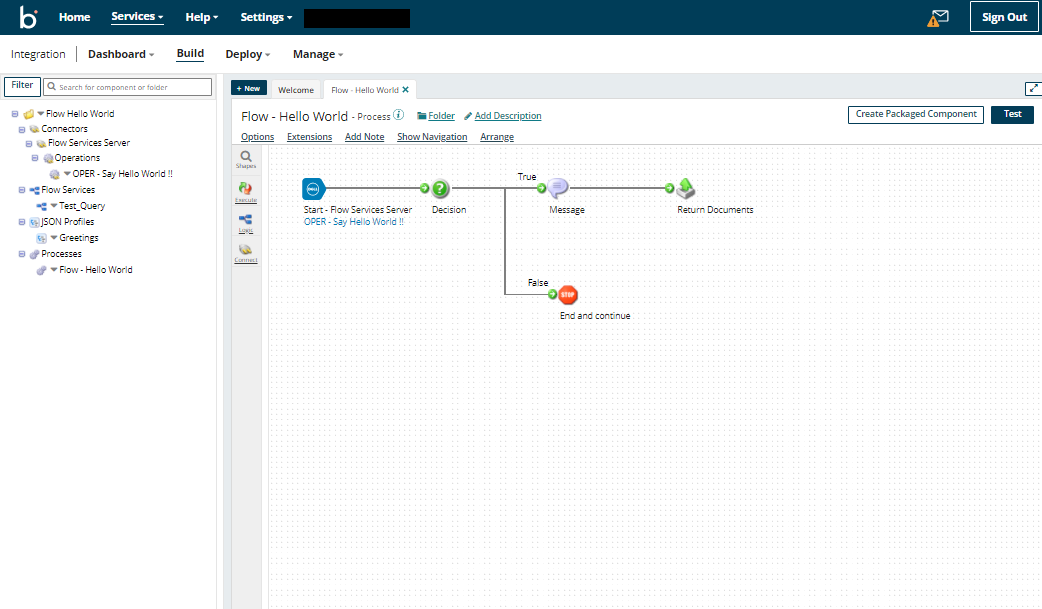 Typical Boomi process with dozens of shapes and hidden scripts.
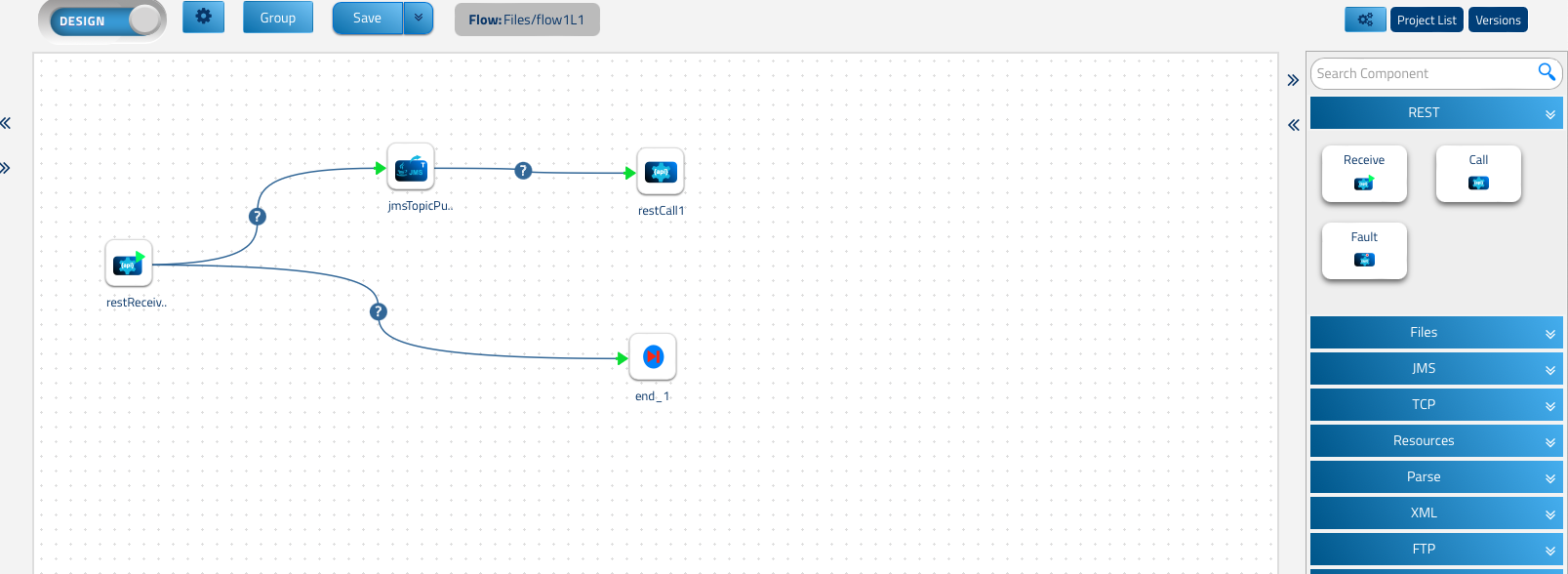 Same logic in Open Studio - clean, visual, and exportable to Java in one click.*
The Way Out Exists - And It’s Faster Than You Think
In 2025, automated migration from Boomi to open Java code is no longer a dream.
Syvizo’s migration engine parses Boomi process XML, Groovy scripts, and connector configurations, then generates production-ready Apache Camel + Spring Boot projects automatically.
Average Boomi-to-Syvizo timeline for 200 processes: 4-8 weeks with 90%+ automation.
Customers routinely retire all Atoms and eliminate 80-95% of their Boomi spend in Year 1.
Book Your Free Boomi Technical Debt Audit
We will analyse your current Atom footprint, process library, and cost structure in a single 30-minute call and deliver a fixed-price escape plan.
→ Book Free Migration Audit
Stay in touch with Us!
Get the latest insights, news, and product updates directly to your inbox.
Stay in touch with Us!
Get the latest insights, news, and product updates directly to your inbox.
By providing my contact information, I authorize Syvizo to provide occasional updates about products and solutions. I understand I can opt-out at any time and that my data will be handled according to Syvizo's privacy policy.
TIBCO to javaWebMethods to javaMuleSoft to javaTIBCO to SpringBootWebMethods to SpringBootMuleSoft to SpringBootOpen Source IntegrationApache CamelJava RuntimeManage KubernetesAPI VirtualizationAPI GovernanceTest APITest APIs
Contact

